人工智能与转型
从枫丹白露到哈莱姆:两次文艺复兴,两种权力关系
两个文艺复兴时期同名,但发源地却不同。美国黑人剧院的地下室讲述了人工智能时代的变革。


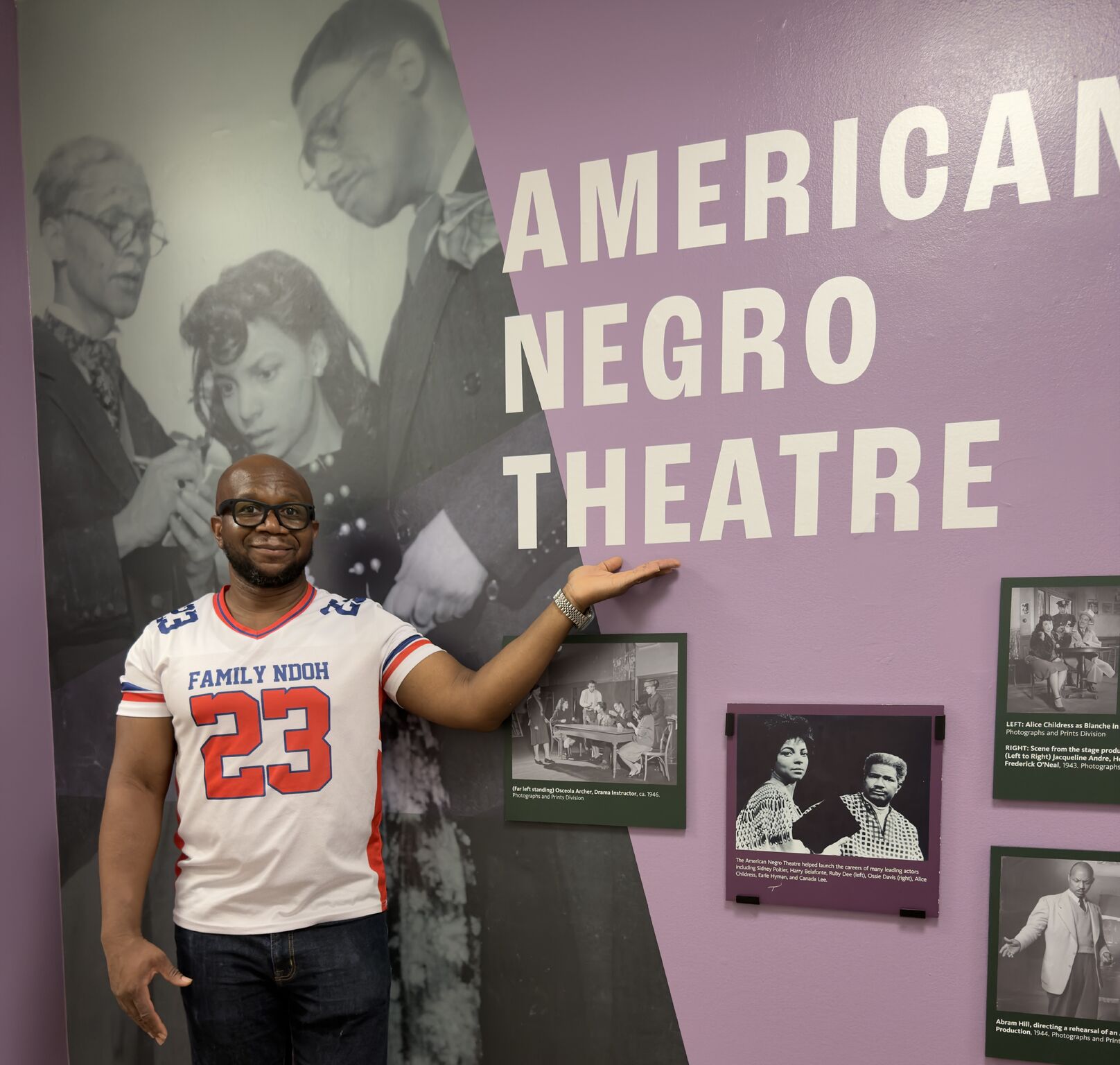
Yesterday, July 28, 2026, I visited the Schomburg Center for Research in Black Culture, New York Public Library in Harlem with my family.
The most emotional moment was entering the basement where Abram Hill and Frederick O'Neal founded the American Negro Theatre in 1940. In that modest room, Black actors and playwrights created a space to tell their own stories at a time when recognition, funding, and institutional support were largely denied to them. Sidney Poitier, Ruby Dee, Harry Belafonte, and Alice Childress were among the artists connected to this institution.
Standing there with my children, I thought about the meaning of the word "Renaissance."
The French Renaissance and the Harlem Renaissance share the same name, but emerged from very different positions. During the 15th and 16th centuries, the French Renaissance developed around the monarchy, religious institutions, and educated elites. Inspired by classical antiquity and Italian innovation, it transformed architecture, literature, science, education, and the arts.
The Harlem Renaissance emerged from an almost opposite position. From the late 1910s to the mid-1930s, African Americans were living under segregation, racial violence, and political exclusion. The Great Migration brought Black writers, musicians, artists, publishers, and intellectuals to northern cities, with Harlem becoming a major center of cultural creation.
The French Renaissance largely grew from the center of power. The Harlem Renaissance had to build power from the margins.
Still, both movements shared important mechanisms. Both returned to the past to create the future. French humanists revisited Greek and Roman thought. Harlem's artists drew from African history, slavery, folklore, spirituals, jazz, and the wider diaspora. The past was treated as material for invention.
Both also benefited from new systems of circulation. Printing helped spread humanist ideas across Europe. In Harlem, magazines, publishing houses, theaters, photography, radio, records, and nightclubs allowed Black culture to circulate across the United States and beyond.
The fundamental difference remained political.
Today, we may be entering another Renaissance, driven by AI, biotechnology, robotics, digital platforms, and human-machine collaboration. But technology alone does not create a Renaissance.
The lesson I carried out of that basement in Harlem is simple: transformation does not always begin in palaces, universities, or powerful technology companies. Sometimes it begins underground, in a small room, with people who refuse to wait for permission to imagine themselves, and the future, differently.