IA & transformation
De Fontainebleau à Harlem : deux Renaissances, deux rapports au pouvoir
Deux Renaissances portent le même nom mais ne parent pas du même endroit. Ce que le sous-sol de l'American Negro Theatre enseigne sur la transformation à l'ère de l'IA.
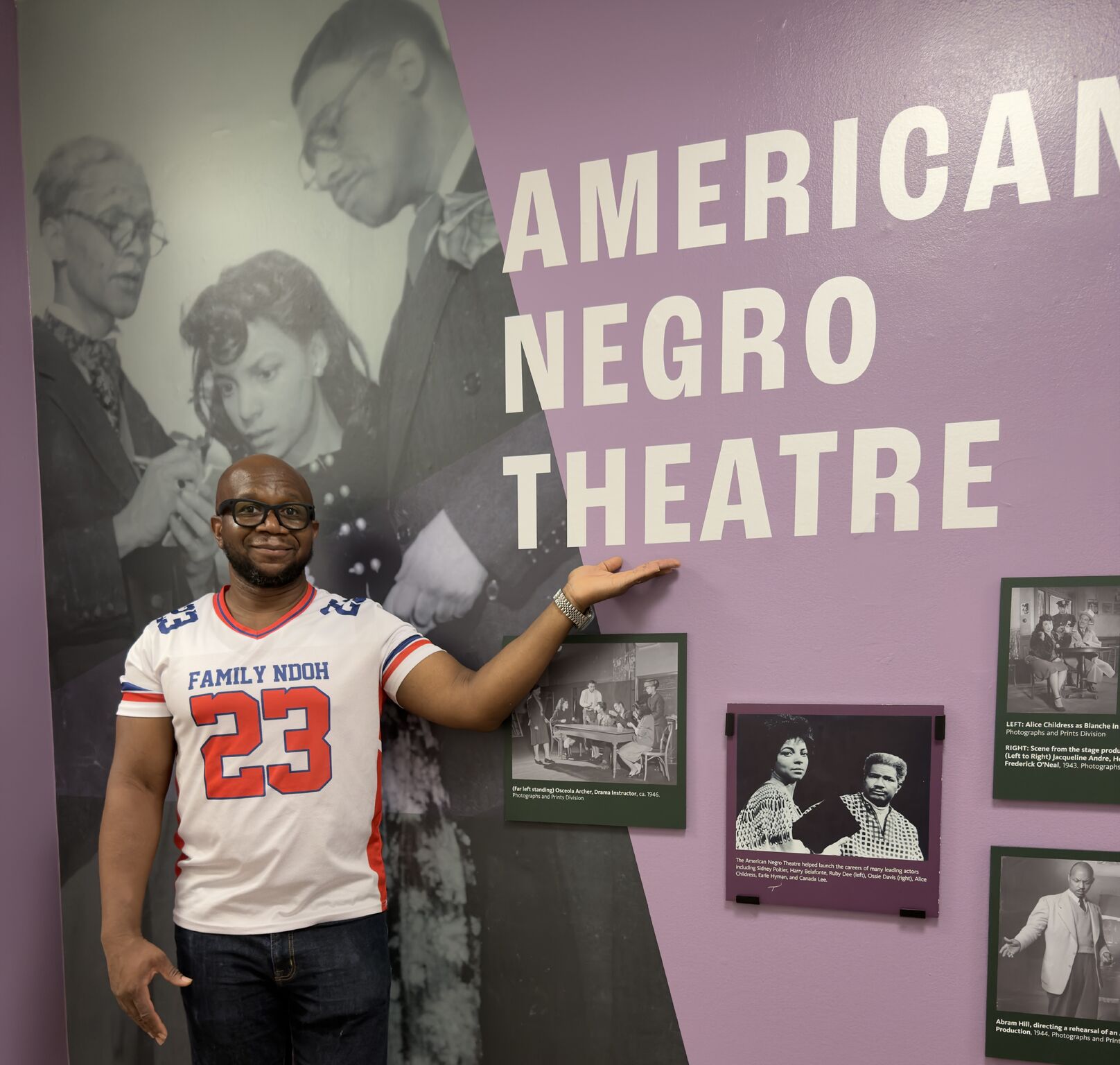
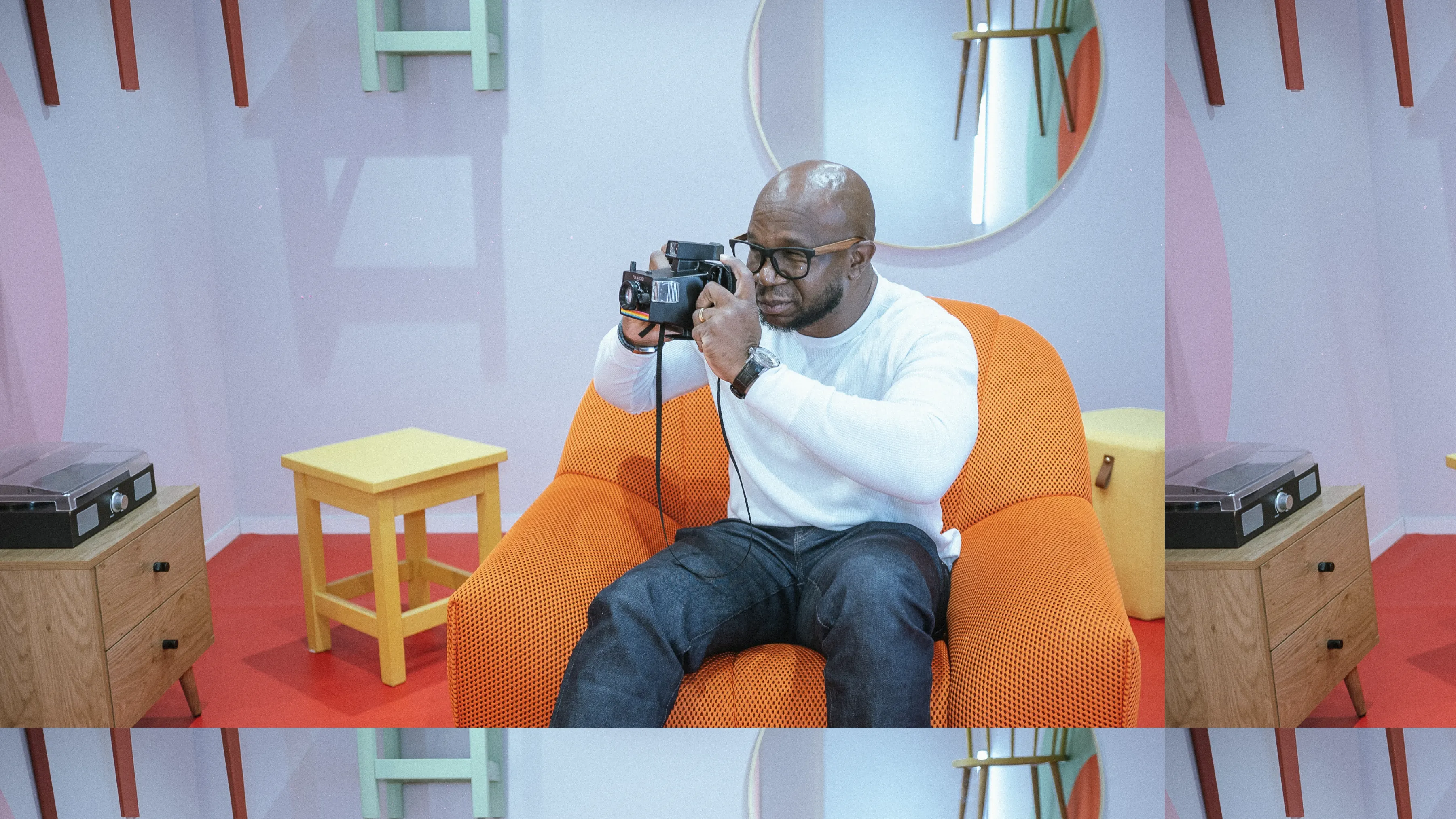
Hier, le 28 juillet 2026, j'ai visité le Schomburg Center for Research in Black Culture, New York Public Library à Harlem avec ma famille.
Le moment le plus émouvant a été d'entrer dans le sous-sol où Abram Hill et Frederick O'Neal ont fondé l'American Negro Theatre en 1940. Dans cette salle modeste, des acteurs et dramaturges noirs ont créé un espace pour raconter leurs propres histoires à une époque où la reconnaissance, le financement et le soutien institutionnel leur étaient largement refusés. Sidney Poitier, Ruby Dee, Harry Belafonte et Alice Childress faisaient partie des artistes liés à cette institution.
Debout là avec mes enfants, j'ai réfléchi à la signification du mot « Renaissance ».
La Renaissance française et la Renaissance de Harlem portent le même nom, mais ont émergé à partir de positions très différentes. Aux XVe et XVIe siècles, la Renaissance française s'est développée autour de la monarchie, des institutions religieuses et des élites instruites. Inspiré par l'Antiquité classique et l'innovation italienne, il a transformé l'architecture, la littérature, la science, l'éducation et les arts.
La Renaissance de Harlem est née d’une position presque opposée. De la fin des années 1910 au milieu des années 1930, les Afro-Américains vivaient sous la ségrégation, la violence raciale et l'exclusion politique. La Grande Migration a amené des écrivains, des musiciens, des artistes, des éditeurs et des intellectuels noirs vers les villes du nord, Harlem devenant un centre majeur de création culturelle.
La Renaissance française s’est largement développée à partir du centre du pouvoir. La Renaissance de Harlem a dû construire son pouvoir à partir des marges.
Pourtant, les deux mouvements partageaient des mécanismes importants. Tous deux sont retournés vers le passé pour créer l’avenir. Les humanistes français revisitent la pensée grecque et romaine. Les artistes de Harlem se sont inspirés de l'histoire africaine, de l'esclavage, du folklore, des spirituals, du jazz et de la diaspora au sens large. Le passé était traité comme un matériau d’invention.
Tous deux bénéficièrent également de nouveaux systèmes de circulation. L’imprimerie a contribué à diffuser les idées humanistes à travers l’Europe. À Harlem, les magazines, les maisons d’édition, les théâtres, la photographie, la radio, les disques et les boîtes de nuit ont permis à la culture noire de circuler à travers les États-Unis et au-delà.
La différence fondamentale restait politique.
Aujourd’hui, nous entrons peut-être dans une autre Renaissance, portée par l’IA, la biotechnologie, la robotique, les plateformes numériques et la collaboration homme-machine. Mais la technologie à elle seule ne crée pas une Renaissance.
La leçon que j’ai tirée de ce sous-sol de Harlem est simple : la transformation ne commence pas toujours dans les palais, les universités ou les puissantes entreprises technologiques. Parfois, cela commence sous terre, dans une petite pièce, avec des gens qui refusent d’attendre la permission d’imaginer eux-mêmes et l’avenir différemment.