Leadership & développement personnel
Don't be scared by choices
Imperfect decisions are not failures of character. This piece looks at choosing under uncertainty, distinguishing reversible from irreversible moves, and converting past choices into judgement rather than regret.
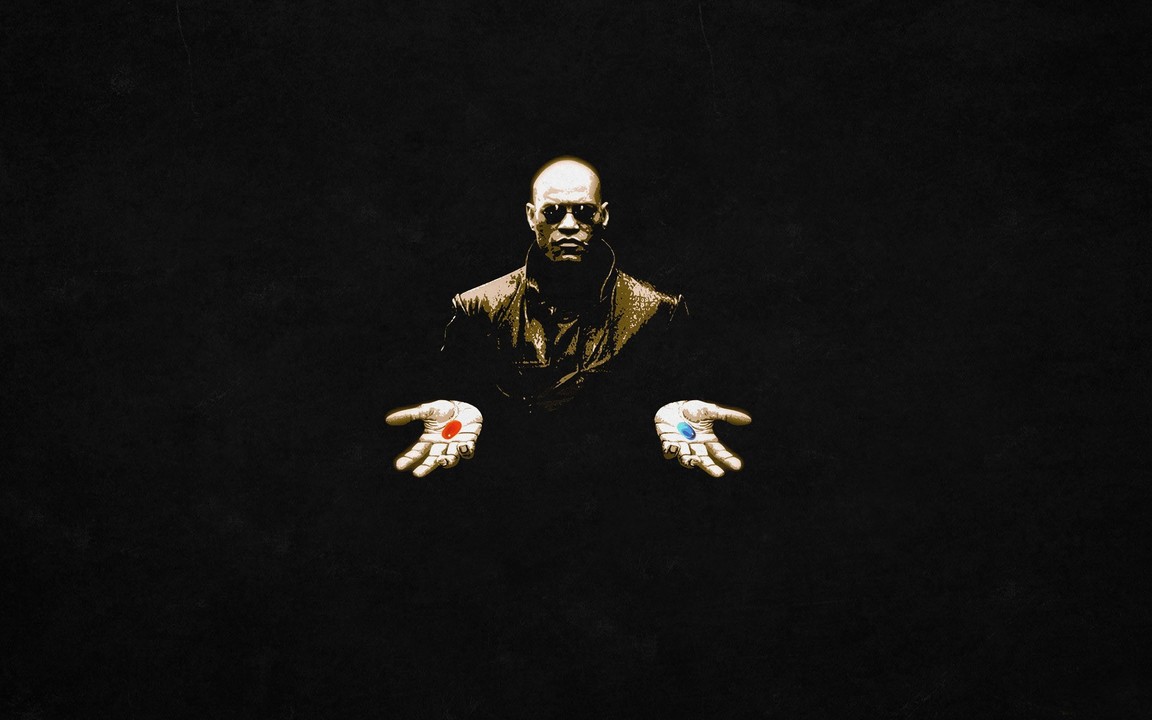
"The choices that we make aren't always perfect but it's ok ... it's part of the journey." — Hayley Williams. I have watched capable people become paralysed by the search for the correct decision, as though a hidden right answer existed and any deviation would be permanent. That belief causes more damage than most of the imperfect choices it is trying to avoid.
The Myth of the Optimal Choice
Optimality assumes complete information, stable conditions and a single clear objective. Real decisions arrive with partial information, moving conditions and competing objectives that cannot all be satisfied. Under those constraints, the honest goal is not the perfect option but a good option taken in time, with the reasoning documented and the consequences accepted. I have never regretted a decision that was well-reasoned and turned out badly nearly as much as I have regretted the ones I delayed until circumstances decided for me. Delay is itself a choice, and usually a worse one.
Reversible and Irreversible
The most useful distinction I apply is whether a decision can be undone. Reversible decisions deserve speed; the cost of being wrong is the cost of changing back, which is often modest. Irreversible decisions deserve slowness, wider consultation and deliberate consideration of the downside, because you will live inside the result. Most people invert this. They agonise over choices that could be revised in a month and move quickly on commitments that will shape years. Sorting decisions into these two categories before starting to analyse them saves an extraordinary amount of energy.
Choosing Between Two Good Options
Some of the hardest choices are not between right and wrong but between two legitimate futures. A role in one country or another. Depth in a specialisation or breadth across a portfolio. Time given to work or to family, when both have real claims. There is no formula that resolves these, because they are not calculation problems; they are questions about what kind of life you are building. What helps me is naming the criteria that actually matter to me, in order, before I examine the options, so that the decision reflects my priorities rather than whichever alternative was presented most persuasively.
Living With the Consequences Honestly
Every real choice closes something. Accepting one role means the other path stops existing for you. Committing to a project means other work will not be done this year. Maturity is partly the ability to hold that loss without endlessly relitigating it. I have found that a decision revisited too often never gets a fair chance to work, because I keep withdrawing energy from it to reassure myself. Better to commit properly, define in advance what would justify a change, and then give the choice enough time to produce evidence.
Turning Mistakes Into Judgement
The choices that went wrong are, in retrospect, where most of my professional judgement came from. What made them useful was examining them specifically: what did I actually know at the time, what did I assume without checking, whose warning did I discount, what would I look at differently now. That review has to distinguish process from outcome. Sometimes the reasoning was sound and the result was still poor, which is not a lesson to learn but a risk to accept. Confusing bad outcomes with bad decisions teaches people to be timid rather than wise.
What I Tell People Who Are Stuck
When someone brings me a decision they have been circling for months, the questions are usually the same. What is the worst realistic outcome, and could you live with it? Which option leaves you with more capability afterwards, regardless of how it turns out? What would you advise a colleague in your position? And, plainly, which one are you avoiding because it frightens you rather than because it is worse? That last question resolves more situations than any framework. Fear disguises itself very effectively as prudence.
Part of the Journey
I no longer expect my record of choices to look clean. It includes moves I would repeat immediately, moves I would not, and several where I still cannot say with confidence which they were. What connects them is that they were mine, made with the information I had, and that each one taught me something I could not have learned by continuing to deliberate. That is what the line means to me. Imperfect choices are not detours from the journey; they are the material the journey is made of. Decide with care, own the result, extract the lesson, and keep moving.