人工智能部署

如果你的人工智能项目失败了,问题可能不是模型

PMI 估计,近 80% 的人工智能部署项目没有实现其目标。选择工具之前需要确定的五个问题。

文章配图:如果你的人工智能项目失败了,问题可能不是模型
LinkedIn 原始帖子配图 ↗
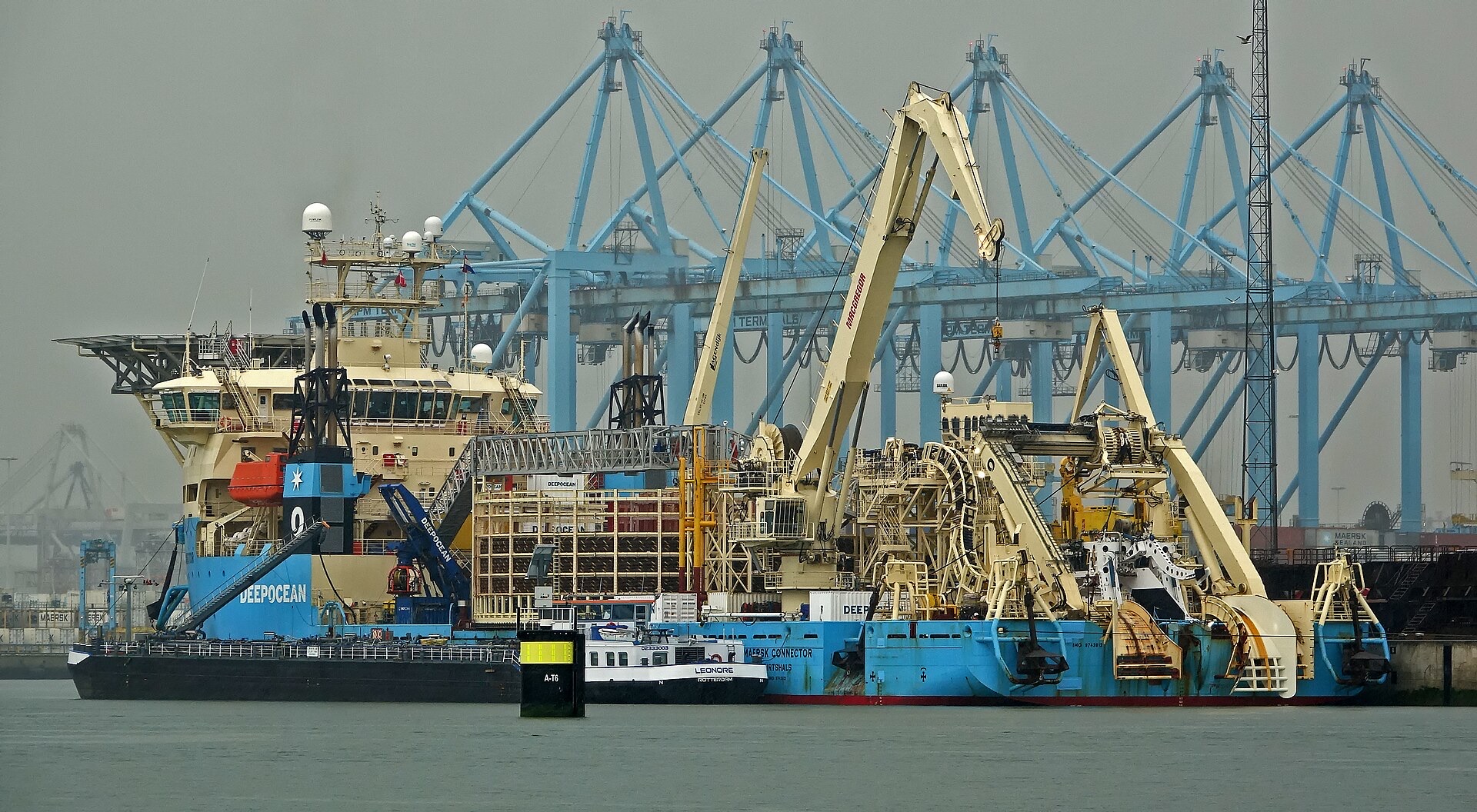
LEONORE 与 MAERSK CONNECTOR 电缆敷设船
技术既不能取代运营模式,也不能取代执行治理。图片来源 →

By mid-2026, AI is already part of how we work.

Roughly 18% of the world's working-age population now uses generative AI. In the US, about half of employees report using AI at work at least occasionally, and around 13% use it daily. In Europe, adoption is also accelerating. In Africa, the picture is more uneven.

But the Project Management Institute reports that around 80% of AI-deployment projects in enterprises never reach their planned objectives: they fail.

Why? They fail because companies start with the tool instead of the problem.

Before selecting an AI solution, leaders should answer a few basic questions:
- Are we solving the right problem?
- Is AI really needed, or would process simplification be enough?
- What decision, workflow, cost, risk, or delay are we improving?
- Do we need automation, prediction, generative AI, RAG, agents, optimization, or something simpler?
- Is our data reliable enough to support the decision we expect AI to influence?

This is where many initiatives break:
1. Bad data does not become good because AI reads it.
2. A broken process does not become strategic because AI accelerates it.
3. Poor governance does not become innovation because AI makes it look modern.

AI integration is not a software rollout. It is a transformation programme.

Therefore, it requires use case selection, data readiness, operating model design, cybersecurity, legal review, change management, adoption metrics, and human accountability.

Let's take the World Cup as a simple analogy. No serious coach wins by putting 11 players on the field and giving them the best jersey and shoes. He brings a system with roles. He runs training. He maintains discipline, and a clear game plan.

AI is the same: the tool is only one player. The operating model is the team.

The companies that will win with AI will be the ones that make fewer, sharper, better-governed bets, linked to real business value.