Energy transition & social justice
Can an energy transition be green while remaining unfair?
Decarbonizing is not enough: access, affordability, jobs, skills and value sharing must also be part of the transition.
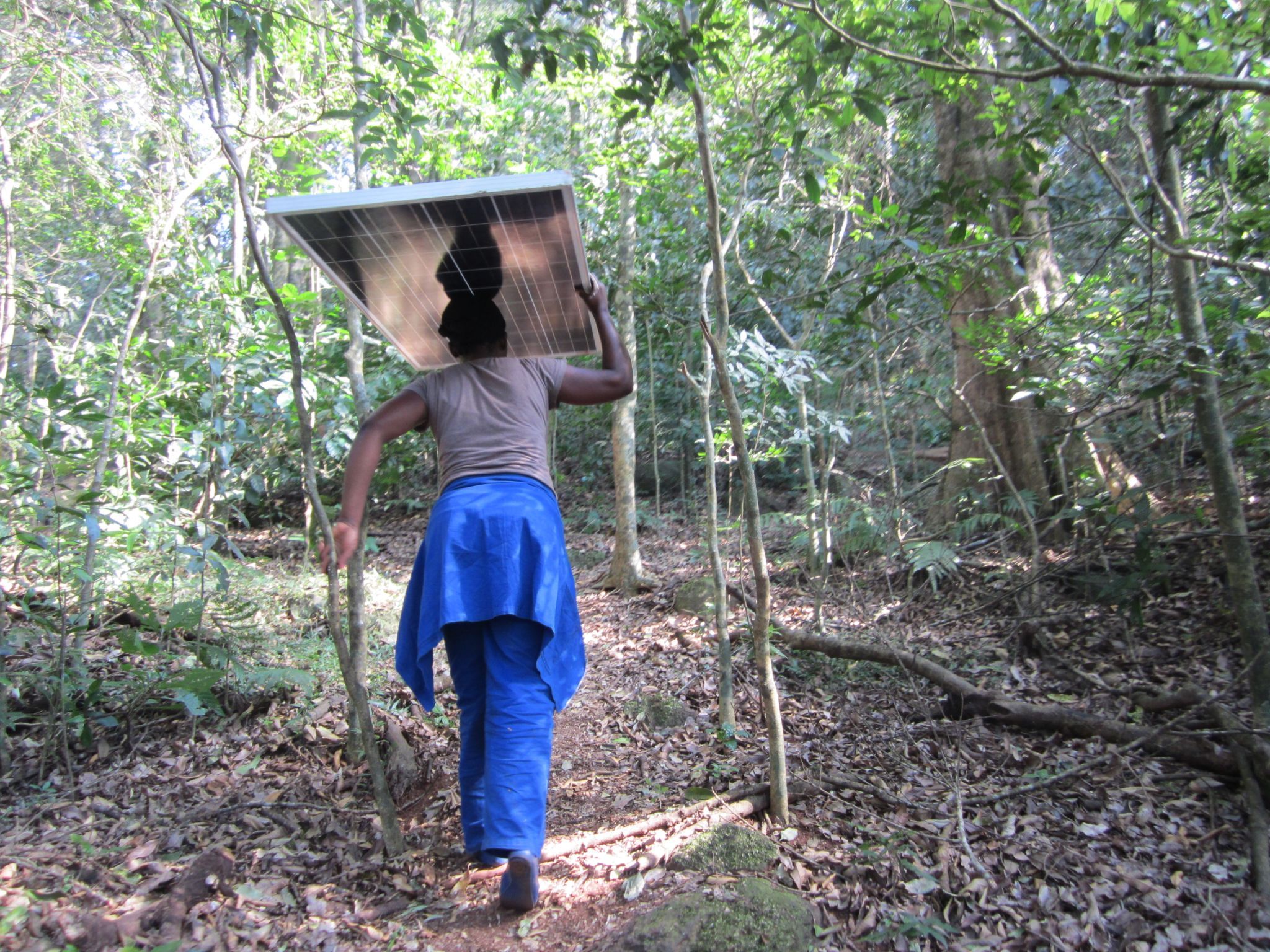
Can an energy transition be “green” while remaining economically and socially unjust?
This is the starting point of the question that guided my #DBA Doctorate in Business Administration.
It was born from the observation - made in my career - of a gap in thinking: we know how to measure CAPEX, efficiency, the cost of the MWh and the tonnes of CO2 avoided. But these indicators are not enough to say whether a transition really improves life.
The numbers force us to look further:
- In 2023, 565 million people still lived without electricity in sub-Saharan Africa, or 85% of the world population without access.
- North Africa and South Africa account for less than 20% of the continent's population, but concentrate more than 45% of its energy investments and more than 65% of its installed electricity capacity.
- In 2023, renewable energies represented 16.2 million jobs worldwide. Africa had only 324,000, or about 2%.
A transition can therefore reduce emissions while allowing energy poverty, territorial inequality and low local value capture to persist.
Its impact cannot be assessed solely from financial flows or avoided CO2. It is also necessary to measure access, affordability, jobs created, skills transferred and the real distribution of benefits.
The energy transition is first and foremost FOR people; If it changes technology without improving the human condition, it has only changed part of the system.
It is this gap that my DBA seeks to question.
#EnergyTransition #EnergyJustice #Africa #EnergyTransition #DBA