Prise de décision et leadership
Quatre questions qui font passer une décision de l'intention à l'action
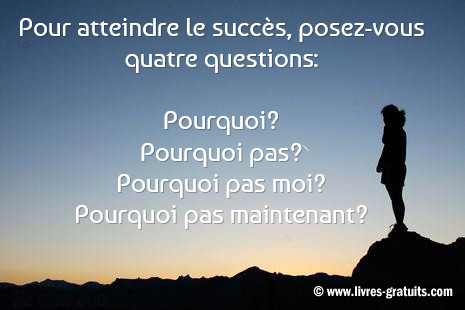
Pourquoi ? Pourquoi pas? Pourquoi pas moi ? Pourquoi pas maintenant ? Quatre courtes questions peuvent exposer l'objectif, les hypothèses, l'action et le calendrier.
Quatre questions, quatre métiers différents
Une courte liste que j’ai écrite il y a des années est restée avec moi :
- Pourquoi ?
- Pourquoi pas ?
- Pourquoi pas moi ?
- Pourquoi pas maintenant ?
Elles peuvent ressembler à des invites de motivation, mais ensemble, elles forment une séquence de décision utile. Chaque question remet en question une source d’inertie différente. Les premiers tests ont pour but. La seconde teste les hypothèses. La troisième agence de tests. Le timing des quatrièmes tests.
Utilisés avec négligence, ils peuvent encourager une action impulsive. Utilisés avec preuve et responsabilité, ils peuvent aider une personne ou une organisation à passer d’une intention vague à un engagement gouverné.
1. Pourquoi ?
Le but n’est pas la décoration. C'est un filtre de décision.
Avant d'accepter un poste, de lancer un projet, de poursuivre une qualification ou de changer de modèle opérationnel, demandez-vous quel problème vous essayez de résoudre et pourquoi il est important. Une réponse faible crée une initiative fragile. Lorsque la pression augmente, les gens protègent les tâches mais oublient le résultat.
Un « pourquoi » crédible doit relier trois éléments :
- un réel besoin ou une opportunité ;
- une valeur qui mérite d'être créée ;
- une raison pour laquelle cette initiative mérite des ressources maintenant.
Dans les environnements de projet, c'est la différence entre l'activité et la valeur commerciale. Un projet peut être techniquement impressionnant et stratégiquement inutile. Une transformation peut produire de nouvelles procédures sans améliorer la prestation. Une initiative d’intelligence artificielle peut déployer un outil sans résoudre un problème prioritaire.
Demandez également à qui le « pourquoi » est servi. Le sponsor, le client, l’équipe du site et la communauté ne définissent peut-être pas la valeur de la même manière. Une gouvernance mature rend ces différences visibles avant qu’elles ne se transforment en conflit.
Si l’objectif ne peut survivre à un langage clair, l’initiative n’est pas prête.
2. Pourquoi pas ?
Cette question examine la barrière.
Certains obstacles sont des faits : réglementation, abordabilité, sécurité, capacité, contraintes contractuelles, de temps ou de ressources. D’autres sont des hypothèses héritées. "Nous n'avons jamais procédé de cette façon." "Les gens comme moi n'entrent pas dans cette pièce." "Ce marché ne l'acceptera pas." "Le quartier général doit approuver chaque décision opérationnelle."
Ne rejetez pas les contraintes avec optimisme. Testez-les.
Pour chaque « nous ne pouvons pas », demandez :
- Quelles preuves soutiennent cette affirmation ?
- La contrainte est-elle permanente ou contextuelle ?
- Peut-il être réduit grâce à la conception, au partenariat ou au séquençage ?
- Que faudrait-il que ce soit vrai pour que la réponse change ?
- À qui profite le fait que l’hypothèse actuelle reste incontestée ?
Il s’agit d’une analyse de scénarios appliquée à la vie et au leadership. Le but n’est pas de prouver que toutes les idées sont possibles. C’est distinguer une vraie limite d’une habitude habillée en limite.
L’innovation commence souvent lorsque quelqu’un prend une contrainte suffisamment au sérieux pour la reconcevoir.
3. Pourquoi pas moi ?
L’agence commence lorsque nous cessons de traiter chaque lacune comme le mandat de quelqu’un d’autre.
"Pourquoi pas moi?" ne signifie pas que la compétence n’est pas pertinente ou que la confiance peut remplacer la préparation. Cela revient à se demander si nous nous sommes exclus avant que les preuves ne le fassent.
Peut-être n’êtes-vous pas encore prêt à diriger l’ensemble du programme. Pourriez-vous diriger un domaine de travail ? Peut-être que vous ne parvenez pas à financer l’intégralité de votre activité. Pourriez-vous valider le problème du client ? Peut-être que vous n’avez pas d’autorité formelle. Pourriez-vous convoquer ceux qui le font ?
L’agence peut être mise à l’échelle. La version responsable du « pourquoi pas moi ? est suivi de :
- Quelle capacité ai-je déjà ?
- Quelle capacité dois-je développer ?
- Quelle expérience devrait compléter la mienne ?
- Quelle est la plus petite responsabilité que je puisse assumer de manière crédible maintenant ?
- Quelle responsabilité protégera les personnes affectées par ma décision ?
Le leadership ne revendique pas tous les espaces. C’est accepter le travail qui est le vôtre, s’y préparer et rendre visible votre contribution à travers des résultats.
La question a aussi une dimension morale. Si vous voyez un problème et avez une certaine capacité d’aide, l’observation permanente devient un choix. Vous n’êtes peut-être pas l’unique réponse, mais vous pouvez faire partie de la réponse.
4. Pourquoi pas maintenant ?
Le timing est le moment où de nombreuses bonnes intentions disparaissent.
Il y a des raisons légitimes d'attendre. Des informations supplémentaires peuvent être nécessaires. Le financement peut être indisponible. Une responsabilité familiale peut être prioritaire. Une condition de sécurité ou contractuelle peut ne pas être respectée. La patience stratégique n’est pas la peur.
Mais le retard devrait avoir des critères. « Plus tard » n’est pas un plan à moins qu’il n’ait un déclencheur.
Demandez :
- Qu'est-ce qui manque spécifiquement ?
- Comment allons-nous l’obtenir ?
- À quelle date reverrons-nous la décision ?
- Quel est le coût de l'attente ?
- Quelle étape réversible peut commencer immédiatement ?
Dans les projets complexes, toutes les décisions ne doivent pas être prises à la hâte. Pourtant, une décision tardive reste une décision lourde de conséquences. Cela peut consommer des imprévus, fermer une fenêtre de marché, affaiblir la confiance ou transférer le fardeau sur l’équipe du site.
L’alternative pratique à la fausse urgence est une prochaine étape limitée dans le temps. Planifiez la conversation. Construisez le prototype. Demandez les données. Rédigez le cas d’une page. Appelez le mentor. Protégez la première heure du calendrier.
L’action ne signifie pas toujours un engagement total. Cela peut signifier acheter les informations nécessaires à la prochaine décision.
Utilisez la séquence, pas le slogan
Les quatre questions deviennent puissantes lorsqu’elles sont rangées dans l’ordre.
Sans « pourquoi », l’action devient du bruit. Sans « pourquoi pas », les hypothèses restent invisibles. Sans « pourquoi pas moi », la responsabilité reste abstraite. Sans « pourquoi pas maintenant », le but devient une identité reportée.
Une simple note de décision peut capturer la séquence :
- Objectif : quelle valeur poursuivons-nous ?
- Contrainte : qu'est-ce qui est réel et qu'est-ce qui est supposé ?
- Appropriation : qui dirigera et avec quel soutien ?
- Calendrier : qu'est-ce qui commence maintenant et quand aura lieu la prochaine porte ?
Cela fonctionne pour une décision de carrière, une idée d’entreprise, un programme de transformation ou un engagement personnel difficile.
Il ne s’agit pas de forcer un oui. Parfois, la conclusion responsable est non, pas moi ou pas maintenant. Le succès ne résulte pas de réponses positives à chaque question. Elle est produite par des réponses honnêtes qui conduisent à une action délibérée.
Alors demandez à nouveau :
Pourquoi est-ce important ?
Pourquoi la limite actuelle devrait-elle rester incontestée ?
Pourquoi devrais-je m’exclure avant de me préparer ?
Pourquoi la prochaine étape responsable devrait-elle attendre ?
Quatre courtes questions. Un mouvement discipliné de l’intention à la décision.