AI & bioethics
What if our time was redefining what a human being is worth?
Four signals – embryonic selection, assisted war, birth rate and automation, artistic creation – and a question of governance.
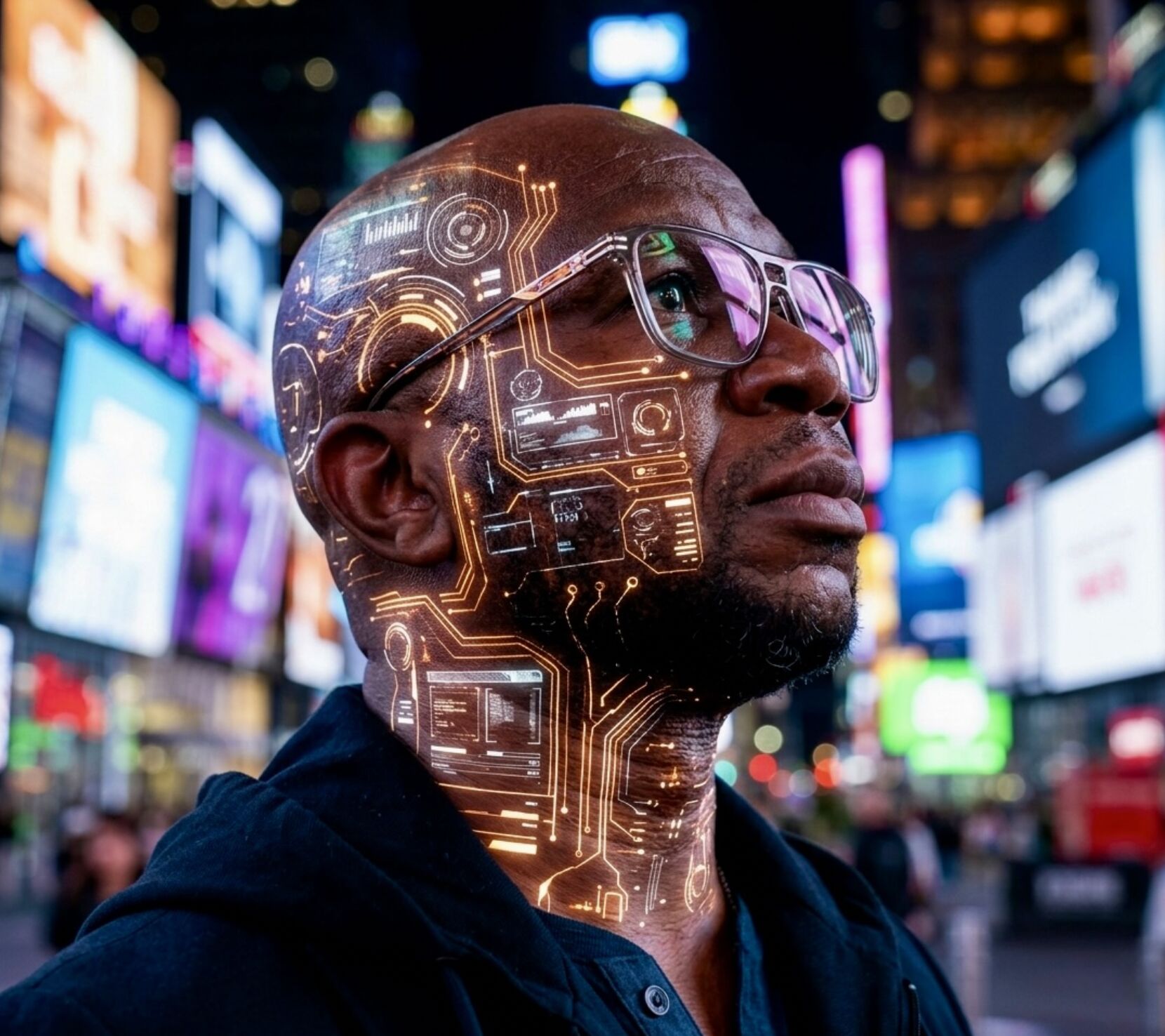
What if our time was not only changing the world… but redefining what a human being is worth?
At the beginning of April, I notice four signals which, taken together, point in one direction.
1. Embryos can already be compared, classified and selected not only on health criteria, but also on projected traits such as size, eye color or certain performance markers. In other words: we no longer only talk about giving life. We start talking about sorting it.
2. War is no longer fought only with weapons. It is increasingly assisted by systems that analyze, recommend, target and accelerate decisions. When AI enters national security environments and connects to operations, the question becomes moral: How much human judgment remains in violence?
3. While birth rates are falling in much of the world, robots, automation and AI are advancing at high speed. Should we still try to boost the birth rate if our economic systems are already organized as if they needed fewer human beings?
4. Even art, which we thought was our last sanctuary, is changing. AIs already generate magnificent songs. A few prompts are sometimes enough to produce scenes more spectacular than some Hollywood special effects. Tomorrow, everyone will be able to become their favorite author, composer, director. It's fascinating, but it's also dizzying.
So I ask myself: what does it still mean to be human in a world that can already, with little human supervision, select life, assist in war, automate labor and generate beauty?
AI is a key part of my doctoral research. It is also the subject of the webinars that I host under the supervision of the PMI chapters of France and Senegal on transcontinental projects; a reminder of what we can accomplish as humans when common interest takes precedence.